ABOUT
THE PROJECT
In this age of technology, we seem to be in a stage where the idea of “repair”, “refurbishing” is increasingly getting lost as the companies strive to become more and more closed to retain their “brand-value”. The solution these days is increasingly to replace – material, components, parts, devices – rather than to repair. Products and devices are no longer allowed to be repaired as their components are phased out of the market and we, the consumers, are pushed more and more towards buying every new “upgrade” which floods the market every six months. This is occurring in the moment marked by the burgeoning environmental crisis which demands a shift towards recycling, repair and longevity of the product.
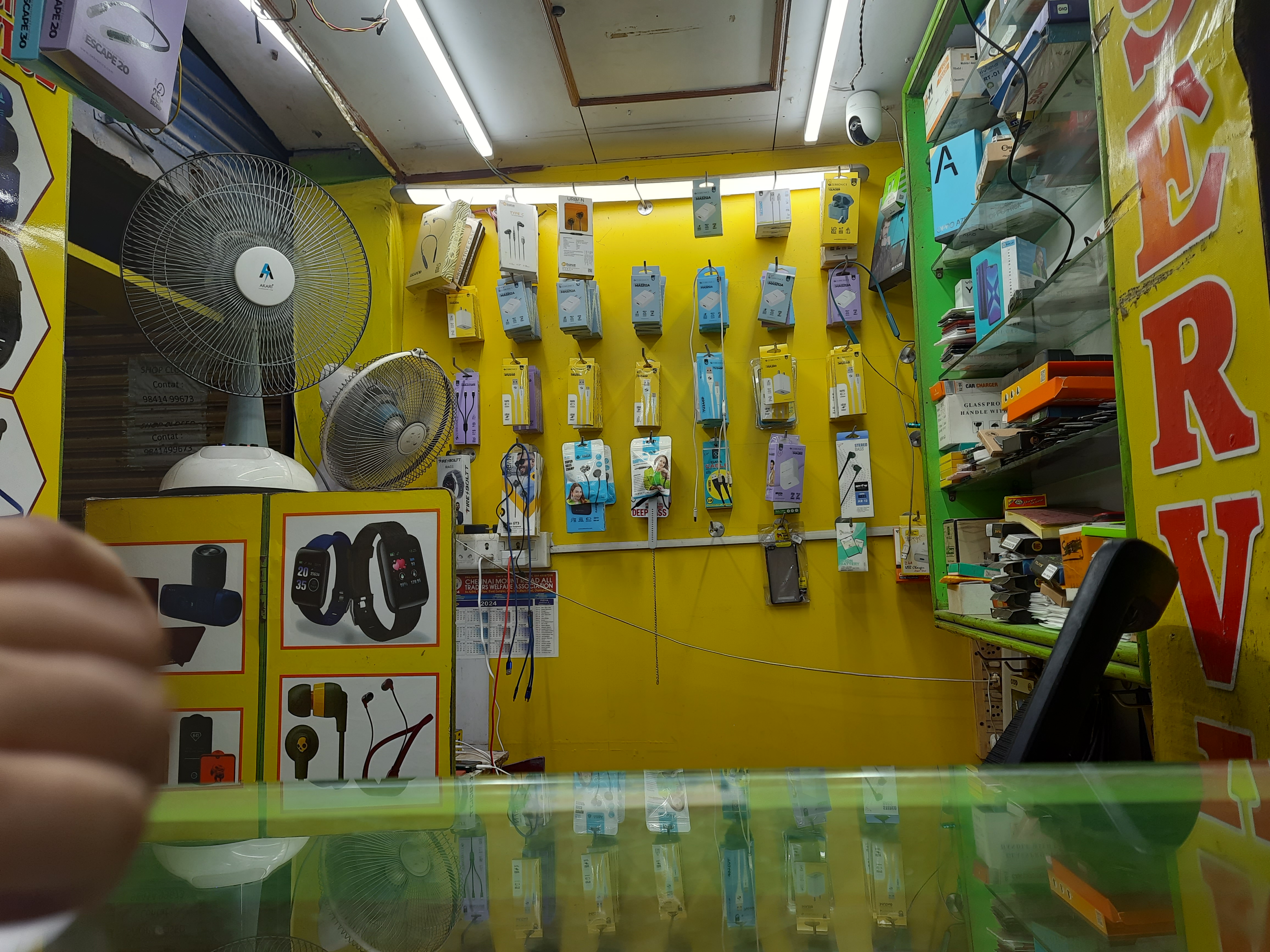
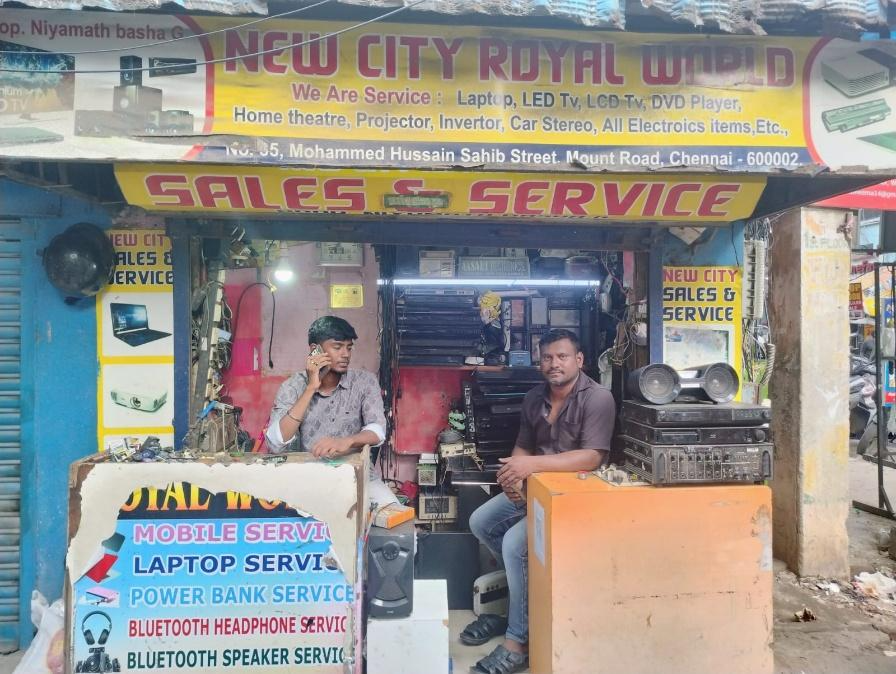
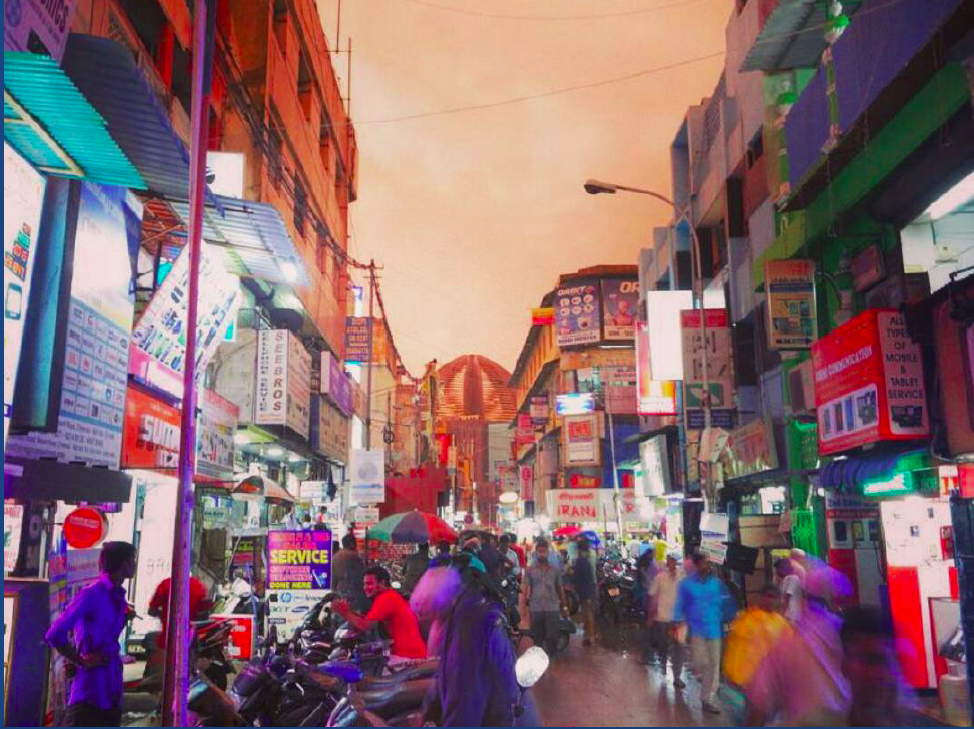
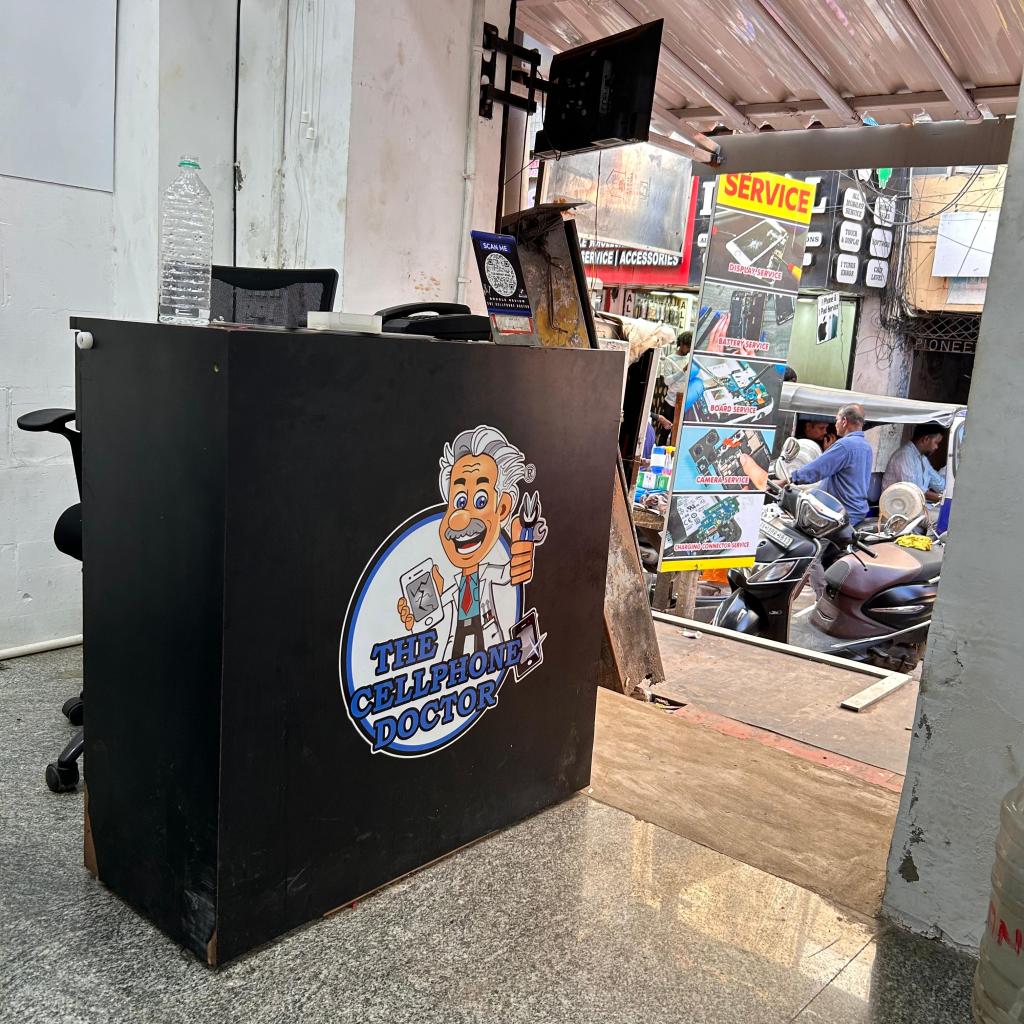
It is in this context that we shift our gaze towards Ritchie Street, an electronics market in Chennai. Ritchie Street began as a market for radios and transistors. Over the years, it has evolved into a market for computer parts, mobile phones, sound systems, college projects, and very importantly – refurbishing. Even as the shops for smartphones and smartphone accessories seem to dominate the market streets, it continues to function as a place for repairs and spare parts. For us, it presents a very interesting space caught up in shifting economies, industry practices, and winds of change that do not seem to particularly want to favour it.
This project began several years ago with some students reflecting on Ritchie Street, working with Solomon Benjamin and G Venkatesh. It continued further as a site for field-visits for the course Built Environment and Society which resulted in the students of the course looking at the same space in multiple ways ranging from the economic constitution, spatiality, territoriality, culture, gender, and so on. It becomes, therefore, an anchor for our broader reflections on economy, spatiality, temporality, and practice of refurbishing.
We are trying, here, to put together the aforementioned data and our fresher observations from our recent field visits to Ritchie Street as well as our ethnography in newer field sites like SP Road in Bangalore, Lamington Road in Mumbai, and so on. Currently essential to our reflection and research is the idea of time and change which are central to the concept of repair and refurbishing. As such, the scope of this initiative remains open to explore other fields and different aspects of urban studies that might catch our or our contributors’ fancy.
From the blog





Subscribe
Enter your email below to receive updates.
 Refurbishing Time